
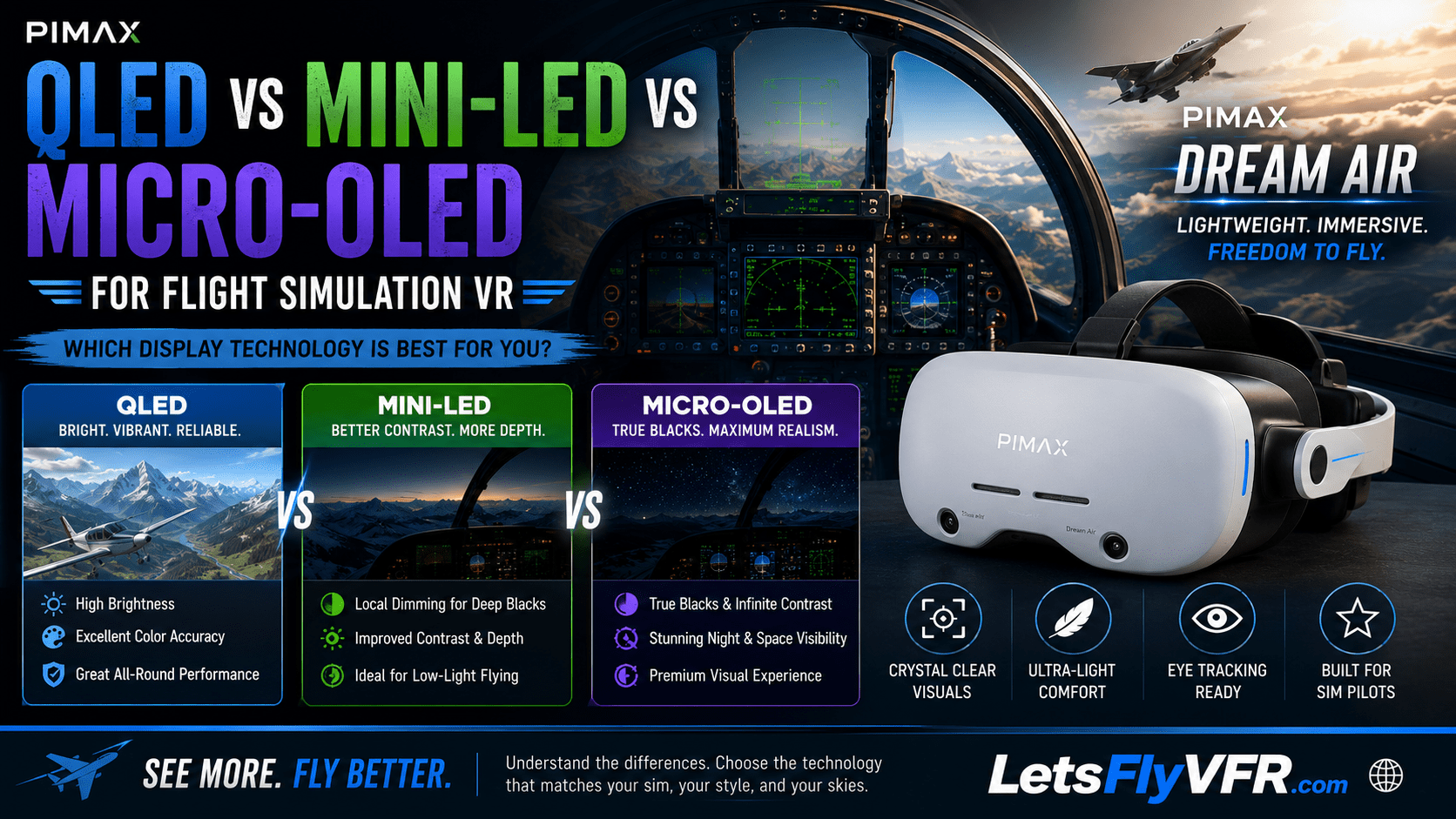
Which Display Technology is Best for DCS World, Microsoft Flight Simulator and X-Plane?
QLED, Mini-LED or Micro-OLED?
Get a great Pimax 2% Discount with the links on this page!
(Dream Air SE Excluded)
If you’ve been researching premium VR headsets recently, you’ve probably come across terms like QLED, Mini-LED, and Micro-OLED. At first glance they all sound like marketing buzzwords.
Manufacturers proudly advertise them, reviewers mention them constantly, and yet very few articles explain what they actually mean for the people who matter most…
Flight simulation pilots.
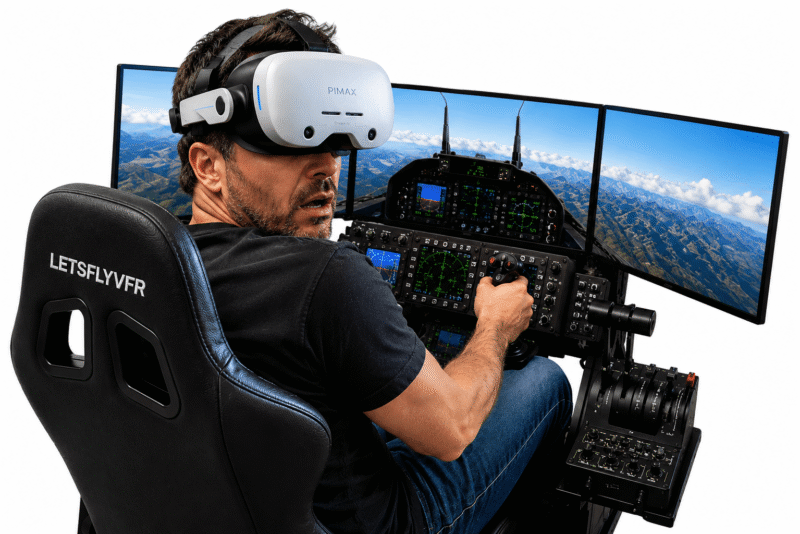
If your primary goal is to fly DCS World, Microsoft Flight Simulator or X-Plane in the clearest, most immersive way possible, understanding these display technologies can save you hundreds, sometimes thousands of dollars by helping you choose the right headset for your style of flying.
The reality is simple enough with the knowledge no single display technology is “best.”
Each display type has its strengths as well as its compromises. The best choice depends entirely on how and what you fly plus the PC system you have.

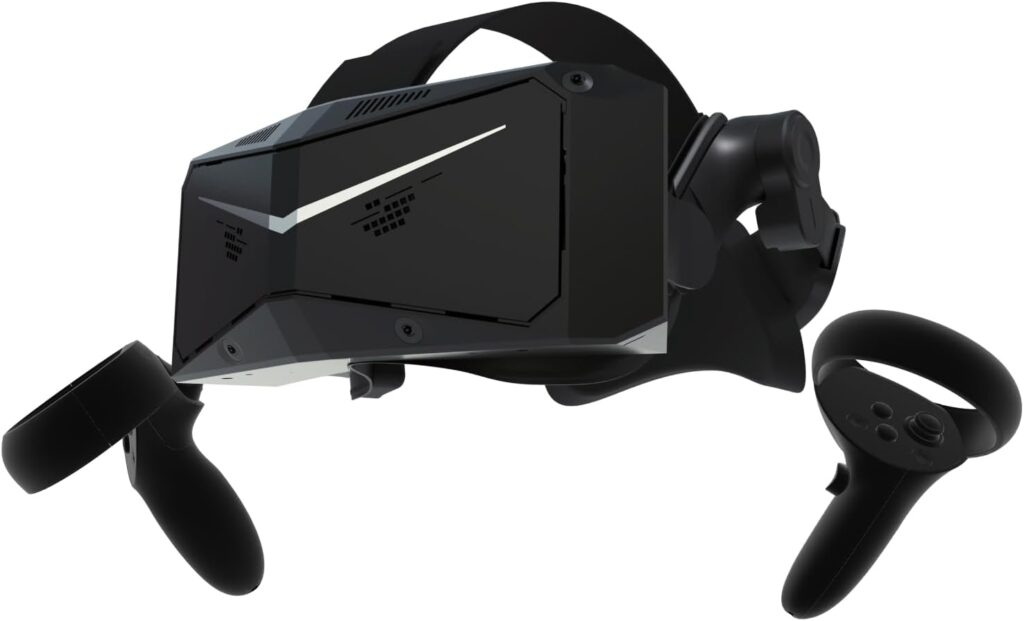
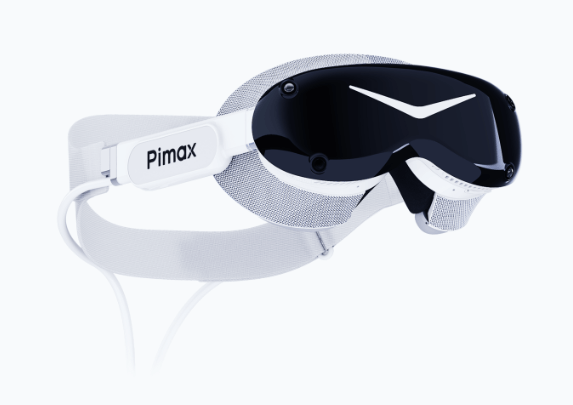
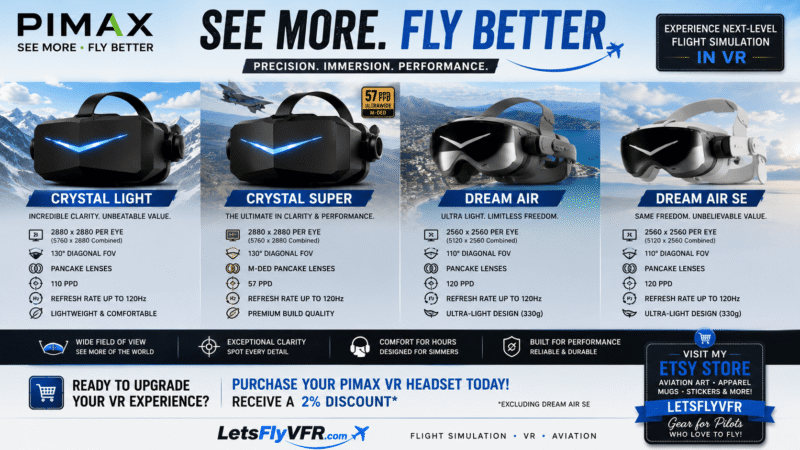
Take your cockpit to the next level with Pimax VR. From the exceptional value of the Crystal Light to the flagship Crystal Super and the revolutionary Dream Air, there’s a headset designed for every serious flight simmer.
Shop through our links below to unlock exclusive discounts and start flying in unparalleled clarity.

Read More in this series:
- Beyond the Specs! A Flight Simmer’s Guide to Virtual Reality & Pimax VR.
- Beyond the Specs. The Optics Behind VR.
- Beyond the Specs – QLED vs Mini-LED vs Micro-OLED for Flight Simulation VR.
- Beyond the Specs – The Ultimate Pimax VR Buyer’s Guide (2026).
- Beyond the Specs – The Software Technology making VR Incredible! *******
- Beyond the Specs – Tracking Systems Explained – (Upcoming)
Why Flight Simulation Is Different.
Flight simulation places unique demands on a VR headset. Unlike fast-paced action games, flight simulators require you to spend hours reading tiny cockpit labels, monitoring flight instruments, identifying distant aircraft and spotting runway lights.
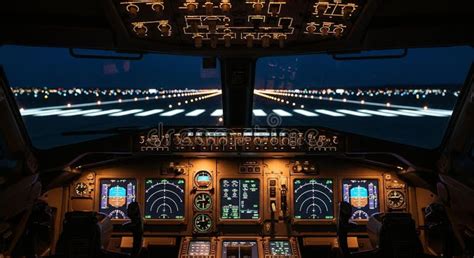
That means your display must excel in areas many gamers never even think about.
A great flight simulation headset needs:
- Razor-sharp cockpit text
- Excellent contrast
- Minimal glare
- Accurate colour reproduction
- Stable brightness
- Comfortable long-session viewing
- High pixel density
- Consistent clarity across the lens
This is where display technology becomes critically important.
Understanding the Display Stack.
One of the biggest misconceptions in VR is that the display panel alone determines image quality. It really doesn’t though. Your final image is influenced by several components working together:
If you have a great display such as the types we are going to discuss then you will also have a high resolution which is great. Next is the lens type as there are a number of designs and some are amazingly clear and others are ok but have compromises too.
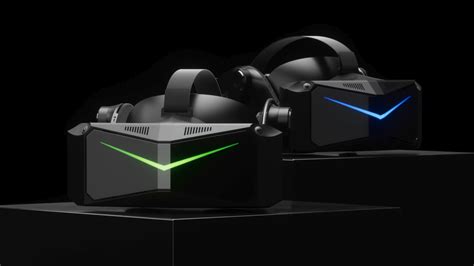
Like buying a new set of glasses there are also Optical coatings that could enhance the experience but not always the highest priority in my book. In some cases they have local dimming so we will explain this in a moment but its part of a long list of possible enhancements.
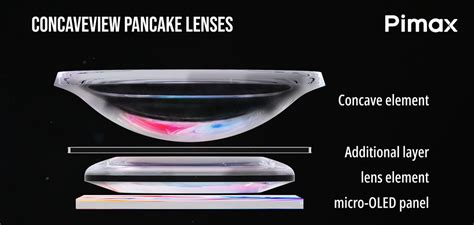
Having a great refresh rate is great providing your PC can deliver the FPS your hoping for with the headset you own or are planning to buy. Eye tracking is yet another option some VR headsets offer allowing the headset to maintain the highest quality image only where you are looking at any given time.
Then we have some software options with specific software rendering options as well as GPU performance considerations which we cannot ignore!
Think of it like a high-performance camera. A world-class image sensor paired with a poor lens won’t produce world-class photographs. Its the same applies to VR.
BUILD THE PERFECT COCKPIT THEN DRESS THE PART.
Discover Premium Flight Simulator Apparel, Wall Art, Pilot Gifts and Aviation Accessories at LetsFlyVFR.





QLED – Bright, Colourful and Reliable.
QLED (Quantum Dot LED) isn’t a completely different display technology. Instead, it enhances traditional LCD panels by using a quantum dot layer to improve colour accuracy and brightness. For flight simulation this offers several important advantages. Cockpit instruments appear vibrant without becoming oversaturated.
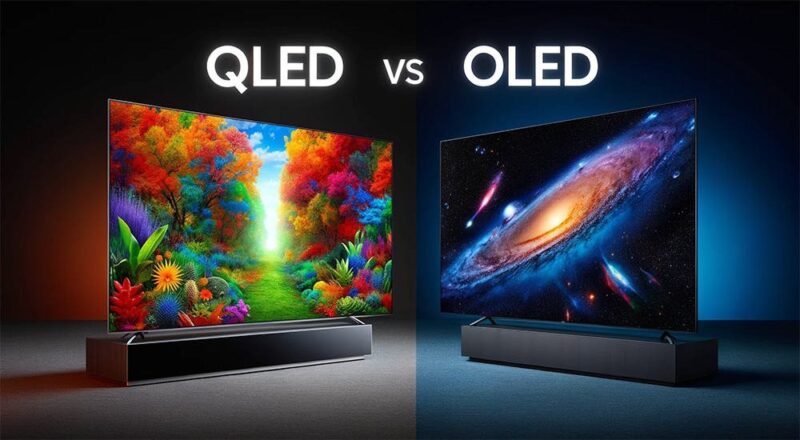
Other improvements often are clouds retain subtle shading as well as blue skies remain natural in colour then its terrain colours are rich without looking artificial. These make the immersion in VR so much more believable.
QLED also produces impressive brightness, which helps maintain visibility in bright daytime flying. When combined with quality optics, QLED delivers an exceptionally clean, crisp image that many flight sim enthusiasts appreciate.
Lets review the good the bad and the ugly so you can get a good understanding and avoiid the hype these terms often drive.
Advantages.
- Excellent colour accuracy
- High brightness
- Consistent image quality
- Long display lifespan
- Ideal for daytime flying
Possible Drawbacks.
- Blacks are not truly black
- Contrast depends on backlighting
- Night scenes can show slight glow without local diming
Recommended For.
- General aviation
- Airliner flying
- VFR pilots
- IFR procedures
- Long flying sessions
Looking for incredible image clarity without stepping into flagship pricing?
The Pimax Crystal Light delivers premium visual quality with a QLED display and remains our top recommendation for most flight simulation enthusiasts.
👉 Click here and get a your Pimax Crystal Light with the
LetsFlyVFR.com 2% DISCOUNT as well! (Dream Air SE Excluded)
Mini-LED – Taking LCD to the Next Level!
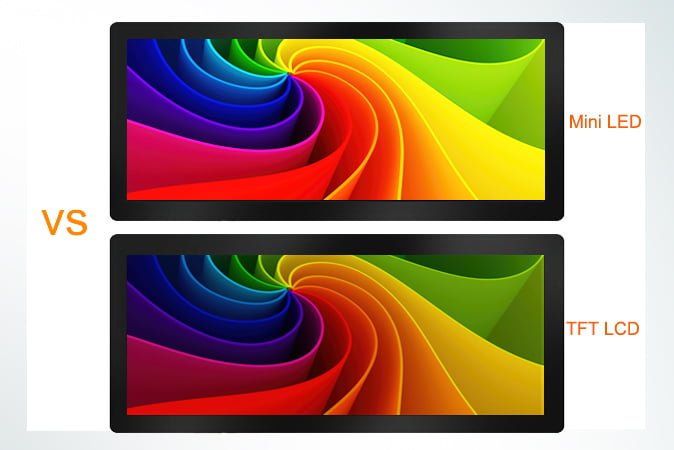
Mini-LED isn’t a display panel by itself, instead, it’s a much more advanced way of lighting an LCD display. Traditional LCD screens use relatively large backlights but Mini-LED uses thousands of tiny LEDs divided into independent lighting zones.
This allows different parts of the image to brighten or darken independently & for flight simulation, the difference can be dramatic. Imagine flying a night approach where the sky is almost black plus your instrument panel is brightly illuminated.
With conventional LCD technology, some light from the bright cockpit can “bleed” into the surrounding darkness. Mini-LED dramatically reduces this effect.
The result?
- Darker skies
- Better cloud definition
- More convincing sunsets
- Greater perceived depth
- Improved contrast
Many pilots immediately notice the improvement during dawn, dusk and night operations.
Take your cockpit to the next level with Pimax VR. From the exceptional value of the Crystal Light to the flagship Crystal Super and the revolutionary Dream Air, there’s a headset designed for every serious flight simmer. Shop through our links below to unlock exclusive discounts and start flying in unparalleled clarity.
What Is Local Dimming?
You’ll often hear Mini-LED discussed alongside Local Dimming. These technologies work together. Local dimming allows the headset to adjust brightness in specific areas of the display rather than illuminating the entire screen equally. Think of each lighting zone as its own miniature spotlight.
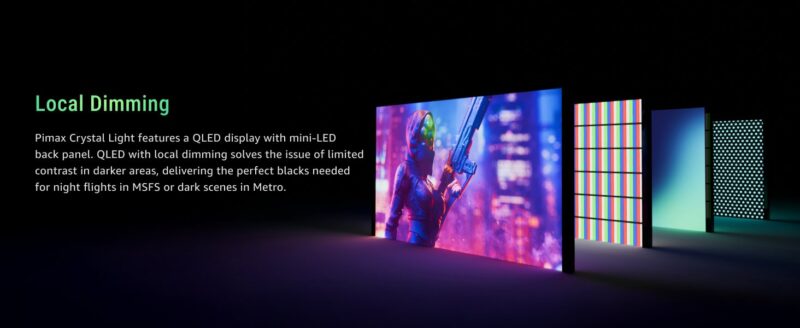
Bright cockpit? That section stays bright. Dark sky? Those zones dim dramatically. This creates images with significantly more contrast than traditional LCD displays.
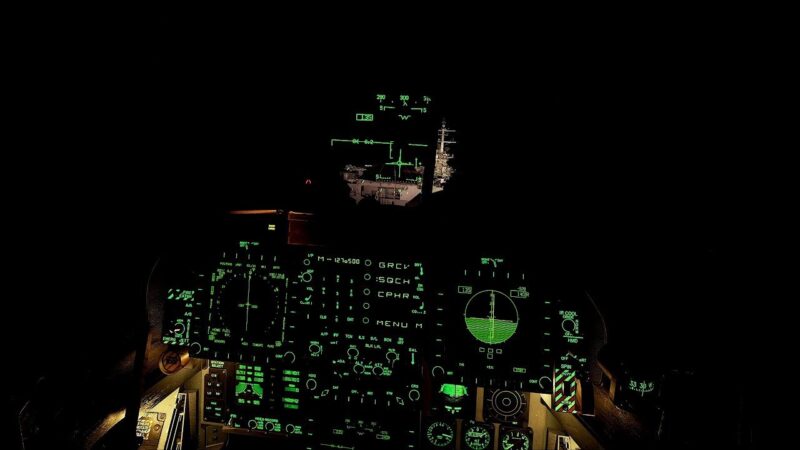
Why It Matters in DCS.
Night missions become noticeably more immersive especially when carrier operations benefit from deeper blacks. Cockpit lighting appears more realistic with explosions and afterburners have greater visual impact. You’ll also notice improved separation between illuminated instruments and the surrounding darkness.
Micro-OLED – The New Premium Standard.
Micro-OLED represents one of the biggest leaps forward in VR display technology. Instead of relying on a backlight, every individual pixel generates its own light. If a pixel needs to be black…It simply turns off & the result is astonishing. They give true black with infinite contrast allowing for outstanding shadow detail. These are extremely high pixel density and amazing for night flying, Micro-OLED can be breathtaking.
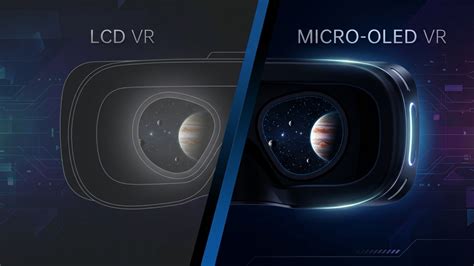
Stars appear against genuinely dark skies with cockpit lighting has remarkable depth. Imagine the incredible realism in a night carrier operations, Its going to leave sweat on the back of your neck because it’s going to feel dramatically more realistic.
Many pilots describe Micro-OLED as producing a more “cinematic” image.
The Trade-Off
No technology is perfect so its worth understanding that Micro-OLED panels can be more expensive to manufacture, and different headset designs may prioritise brightness, weight, optics or resolution in different ways. That means the overall headset design still matters just as much as the display itself.
A well-engineered QLED headset may outperform a poorly designed Micro-OLED headset in real-world use. Always evaluate the complete system not just the display specification.
Looking for the latest premium display technology?
The Pimax Dream Air and selected Crystal Super configurations bring Micro-OLED technology to demanding flight simulation enthusiasts seeking exceptional contrast and visual fidelity.
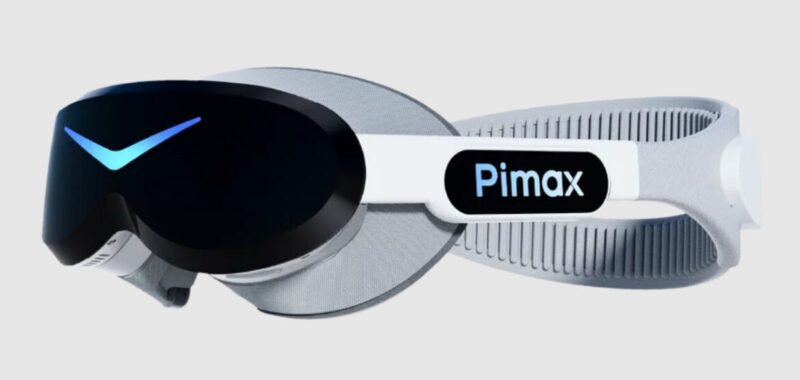
👉 If a Pimax Dream Air sound like the best VR headset for you you can get yours with our LetsFlyVFR.com 2% DISCOUNT CODE today.
(Dream Air SE Excluded)
Which Technology Is Best for Flight Simulation?
The answer depends on your flying style as we have discussed in this and other recent posts on LetsflyVFR.com. If you spend most of your time flying VFR during daylight hours, QLED offers excellent brightness and colour while remaining a fantastic all-round choice.
If you enjoy dawn, dusk and night operations, Mini-LED with local dimming adds noticeably better contrast and atmosphere. If you’re chasing the most immersive premium experience possible particularly for low-light flying Micro-OLED delivers stunning blacks and exceptional image depth.
Visit LetsFlyVFR.com ETSY Store for more great MERCH!





Our Recommendation.
Rather than asking which display technology is “best,” ask yourself which one best matches your simulator, your PC and your budget. For many pilots, the Pimax Crystal Light represents the sweet spot between cost, clarity and performance.
For enthusiasts with powerful hardware who want every possible visual advantage, the Crystal Super and Dream Air families push PCVR even further. Remember the best headset isn’t always the most expensive one. It’s the headset that lets you forget you’re wearing one and focus entirely on flying.
Do you want the top of the range Pimax Crystal Super Now?
Click here to get our DISCOUNT CODE NOW!
Would You Like to Know More?
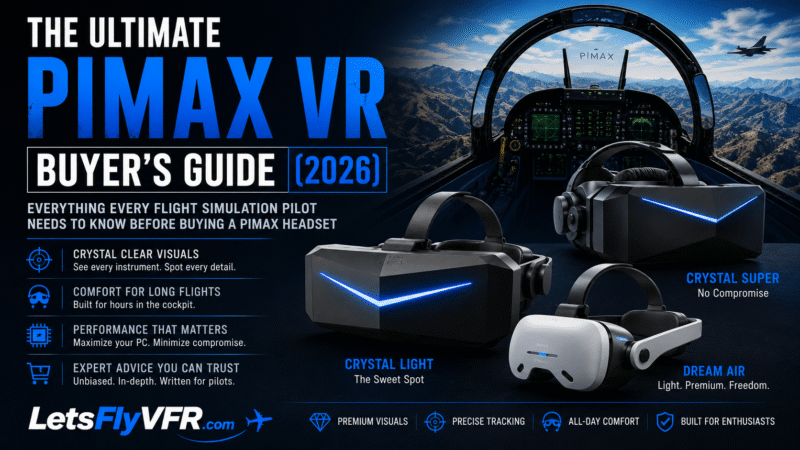
If you’re still deciding which Pimax headset is right for your simulator, don’t miss our Ultimate Pimax VR Buyer’s Guide, where we compare every current model, explain tracking systems, recommend PC hardware and help you choose the perfect headset for your cockpit.
Author
Brendon McAliece (Aka Gunnie) is a military veteran with 23 years working on Jet Fighters, their weapons systems and ejection seat/module systems as well as munitions and R&D. Involved with flight simulation since the 1980s, he has flown all the major flight simulators over the years.
He is an Australian expat who has lived in Malaysia, UK, Saudi Arabia and more recently Thailand. He is a multi-lingual blogger who loves to share his life experiences here on LetsFlyVFR.com and DreamingGuitar.com, with his lifestyle and Travel experiences Blog plus his Dreaming Coffee website.
Learn More @
DreamingGuitar.com – DreamingCoffee.com
LetsFlyVFR ETSY Store – Discover PIMAX VR Now!

( HOME – BLOG – SHOP – ABOUT )
As an PIMAX affiliate I may benefit from qualifying sales.