
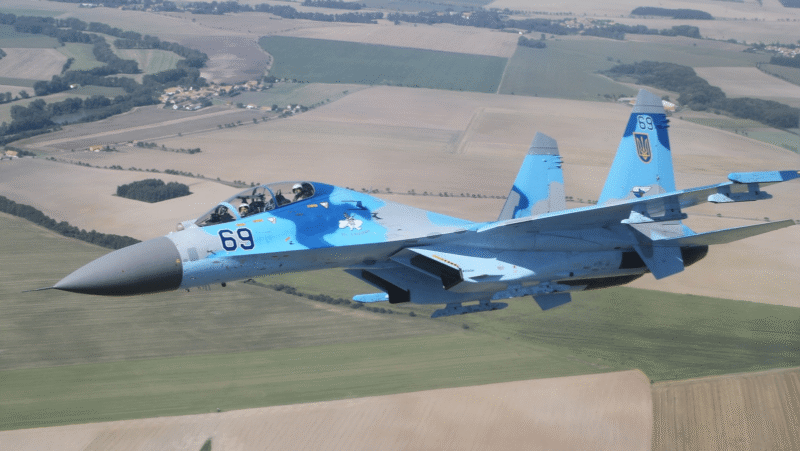
Modern & Cold-War Non-Western Jet Fighters in DCS World.
DCS World Dogfight Manual – RED FORCE.
Modern & Cold-War Non-Western Jet Fighters in DCS World.
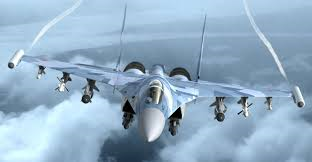
Red Force aircraft in DCS World represent a fundamentally different design philosophy compared to Western jets. Rather than prioritising sustained turn rate and relaxed stability, Red jets typically emphasize:
- High instantaneous turn capability
- Strong vertical performance
- High alpha tolerance
- Aggressive energy conversion
Understanding how to fight with these traits — not against them — is essential to winning BFM engagements.
This manual covers all non-Western jet fighters currently available in DCS World, separated by aircraft, with practical dogfighting guidance rather than theory alone.
Core BFM Philosophy – Red Force.
Red Force aircraft generally reward:
- Aggressive early positioning
- Vertical maneuvering
- Snapshot opportunities
- Short decisive fights
They punish:
- Sustained flat turns
- Prolonged low-speed horizontal engagements
- Over-pulling without follow-up
Aircraft-by-Aircraft Breakdown
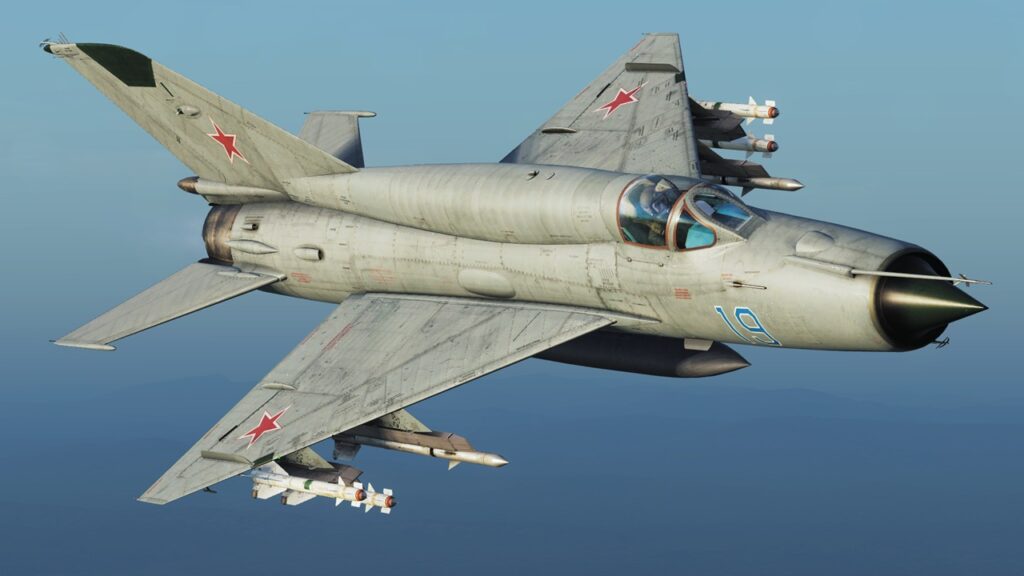
MiG-21bis
Role
Light interceptor / point-defense fighter.
Very fast with small wings so it doesn’t like to turn super fast. Your mission is to run intercepts with this powerful jet. If you get slow you WILL depart and crash. Ive seen it so many times its boring on Cold War Servers. Go fast, go straight then redefine the fight.
BFM Strengths
- Extremely strong instantaneous turn
- Small visual & radar signature
- Excellent low-speed pitch authority
BFM Weaknesses
- Poor sustained turn
- Severe energy bleed
- Weak vertical endurance
Ideal Performance
| Category | Speed |
|---|---|
| Sustained turn | 420–460 km/h |
| Instantaneous turn | 350–420 km/h |
| Vertical entry | 550–600 km/h |
Pilot Focus
AoA first, then speed
Avoid prolonged G and use snap turns and disengage
Minimum Loop Entry
~580–620 km/h clean
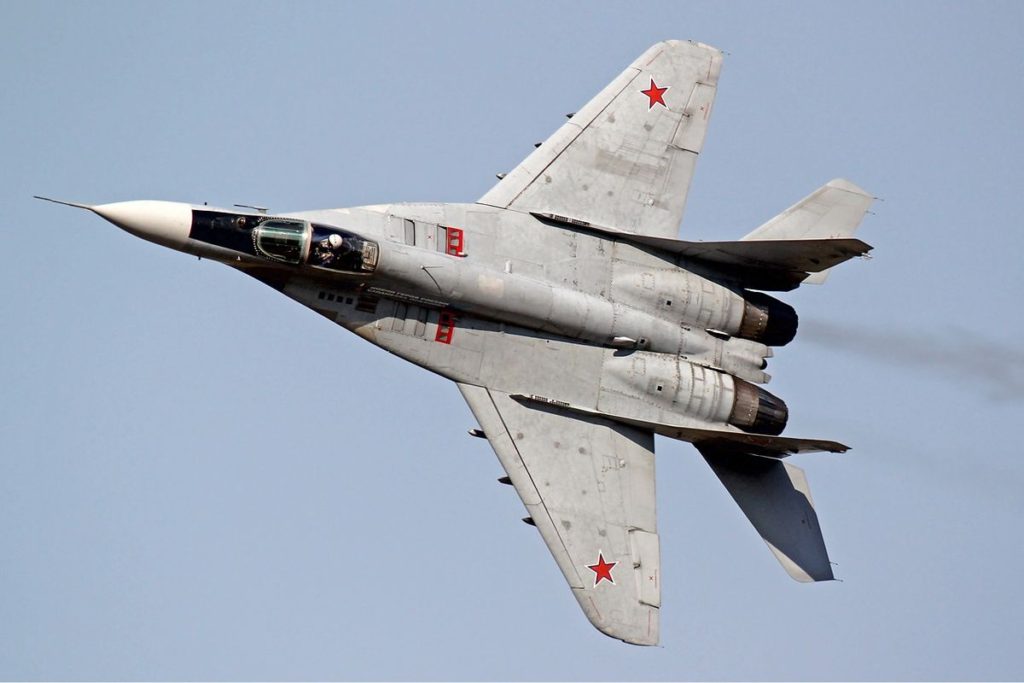
MiG-29A / S (Fulcrum)
Role
Front-line air superiority fighter.
Excellent fighter with everything you need to be deadly! Great performance, strong turn rate and unlike the F-16 its not AOA limited so you can fight slow too! Very comparable to the mighty Viper this jet is the dream 1v1 dogfighter jet for the Red Team!
BFM Strengths
- Excellent instantaneous turn rate
- Strong thrust-to-weight
- Very effective vertical snap capability
BFM Weaknesses
- Rapid energy bleed if mishandled
- Average sustained turn
Ideal Performance
| Category | Speed |
|---|---|
| Sustained turn | 750–820 km/h |
| Instantaneous turn | 680–750 km/h |
| Vertical entry | 850–900 km/h |
Pilot Focus
Speed + AoA balance
Pull hard briefly — then unload and climb
Minimum Loop Entry
~800–830 km/h
Su-27 (Flanker)
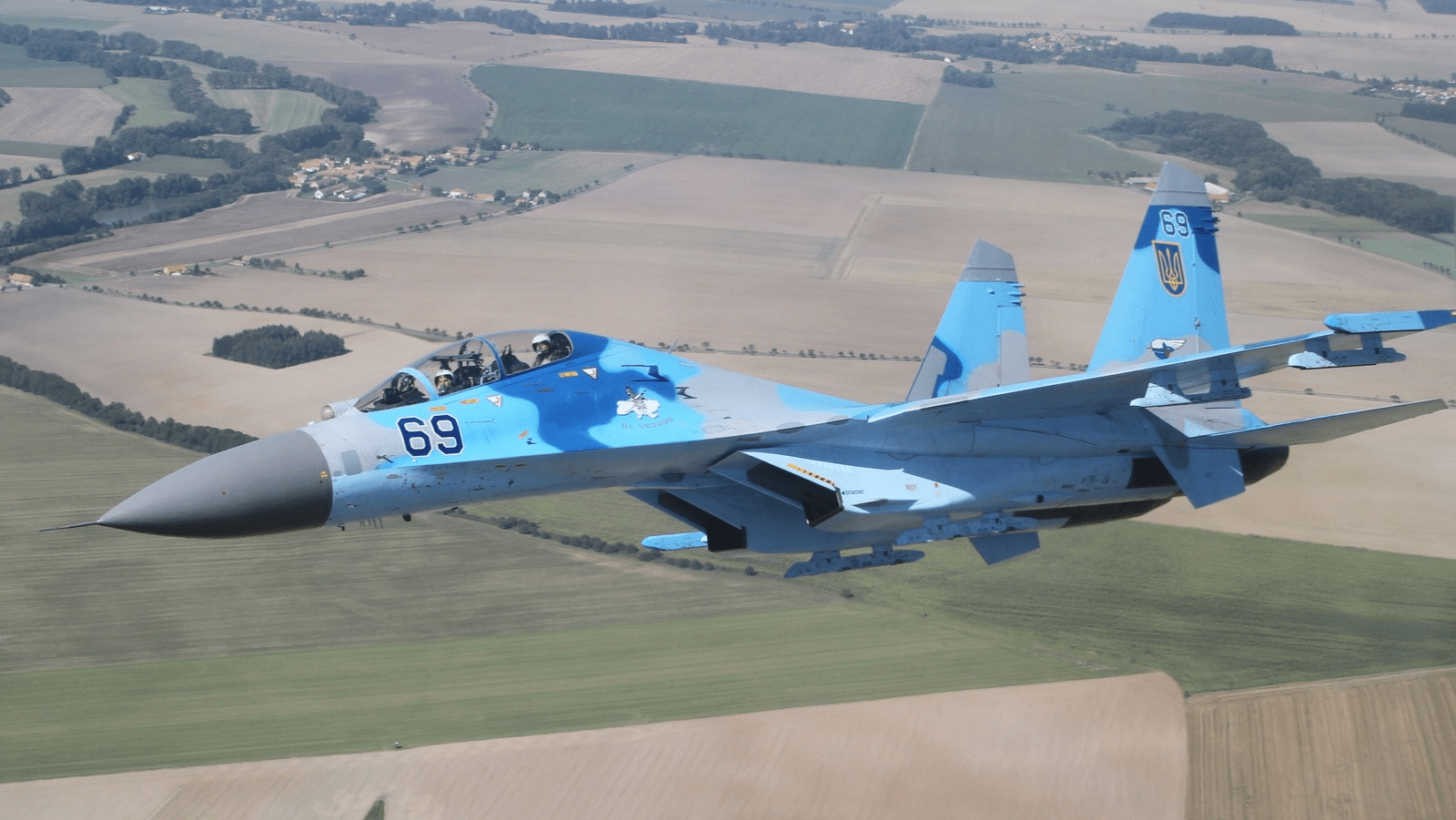
Role
Heavy air superiority fighter.
Comparable to the F-15C in many ways its large powerful engines providing ample thrust for BFM but made to kill you far away! Its ability to use Electro Optical Sight means it can lock you at great distance and not warn you at all! Very powerful and dangerous jet. Make the best of those two massive engines and you will win!
BFM Strengths
- Outstanding energy retention
- Powerful vertical capability
- Stable at high alpha
BFM Weaknesses
- Large turn radius
- Vulnerable in tight flat fights
Ideal Performance
| Category | Speed |
|---|---|
| Sustained turn | 820–900 km/h |
| Instantaneous turn | 700–780 km/h |
| Vertical entry | 900–980 km/h |
Pilot Focus
Energy and vertical control
Avoid nose chasing fight in the vertical.
Also very comparable to the F-15C in many ways with its large powerful engines and made to kill you far away! It’s ability to use Electro Optical Targeting means it can lock you at great distance and not warn you at all! Very powerful and dangerous jet. Make the best of those two massive engines and you will win!
Minimum Loop Entry
~850–900 km/h
Su-33
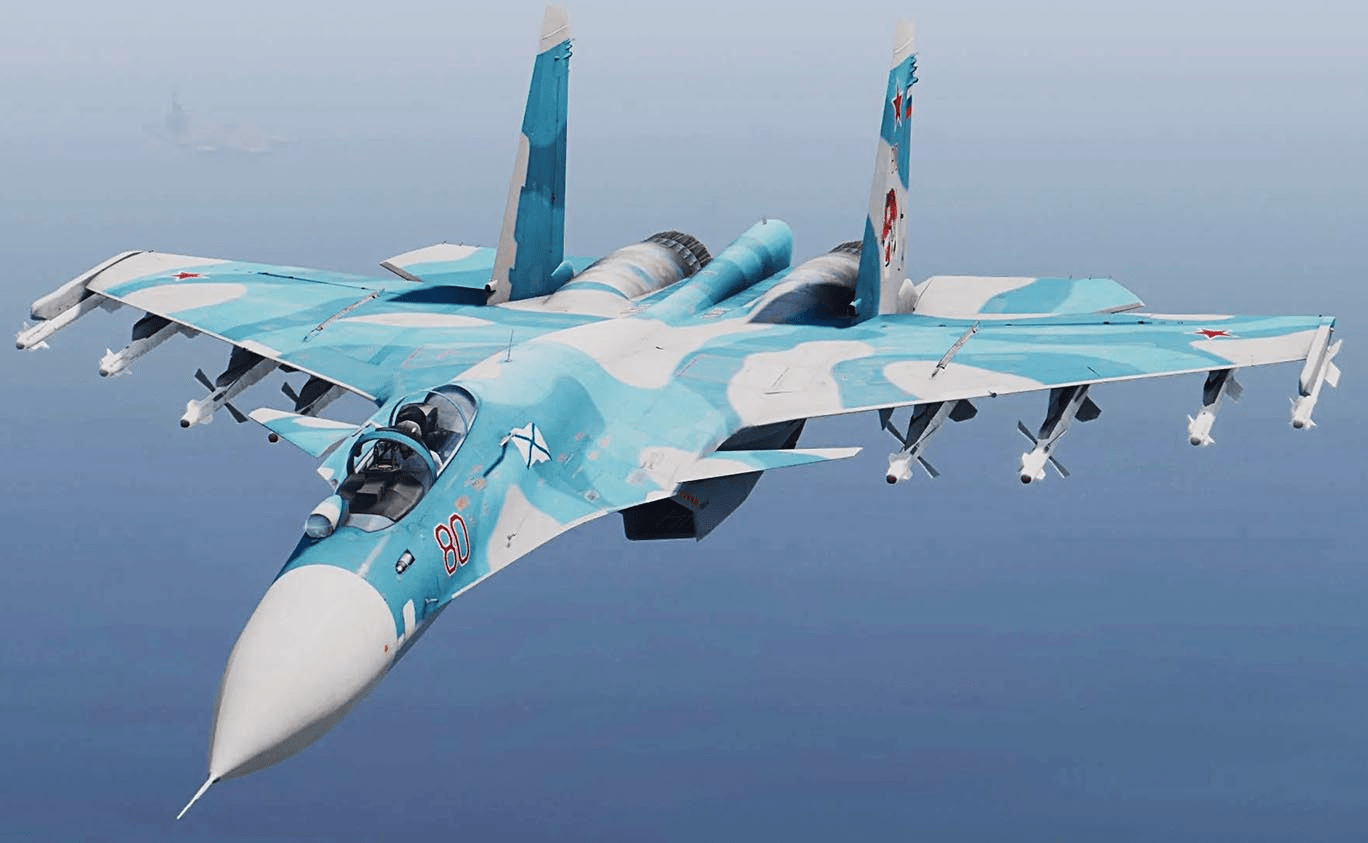
Role
Carrier-based heavy air superiority.
Time for the russian Top Gun with this impressive jet. It too is comparable to the F-15C in many ways its large powerful engines providing ample thrust for BFM but made to kill you far away at sea
! Its ability to use Electro Optical Sight like other variants means it can lock you at great distance and not warn you at all! Very powerful and dangerous jet. Make the best of those two massive engines and you will win! Understand the subtle differences between these jets.
BFM Strengths
- Exceptional low-speed handling for size
- High alpha control
- Strong vertical authority
BFM Weaknesses
- Increased drag vs Su-27
- Slightly reduced acceleration
Ideal Performance
| Category | Speed |
|---|---|
| Sustained turn | 800–880 km/h |
| Instantaneous turn | 680–750 km/h |
| Vertical entry | 880–950 km/h |
Pilot Focus
AoA management + energy preservation
Minimum Loop Entry
~820–870 km/h
Su-25 / Su-25T

Role
Ground-attack aircraft (limited BFM)
This jet is not expected to do any BFM just kill ground targets fast and leave!
BFM Strengths
- Very stable at low speeds
- Strong control authority
BFM Weaknesses
- Extremely poor sustained turn
- Limited vertical capability
- Heavy airframe
Ideal Performance
| Category | Speed |
|---|---|
| Sustained turn | 500–550 km/h |
| Instantaneous turn | 420–480 km/h |
| Vertical entry | 600–650 km/h |
Pilot Focus
Survival only
Use break turns and defensive jinks
Minimum Loop Entry
~650–700 km/h (barely practical)
J-11A
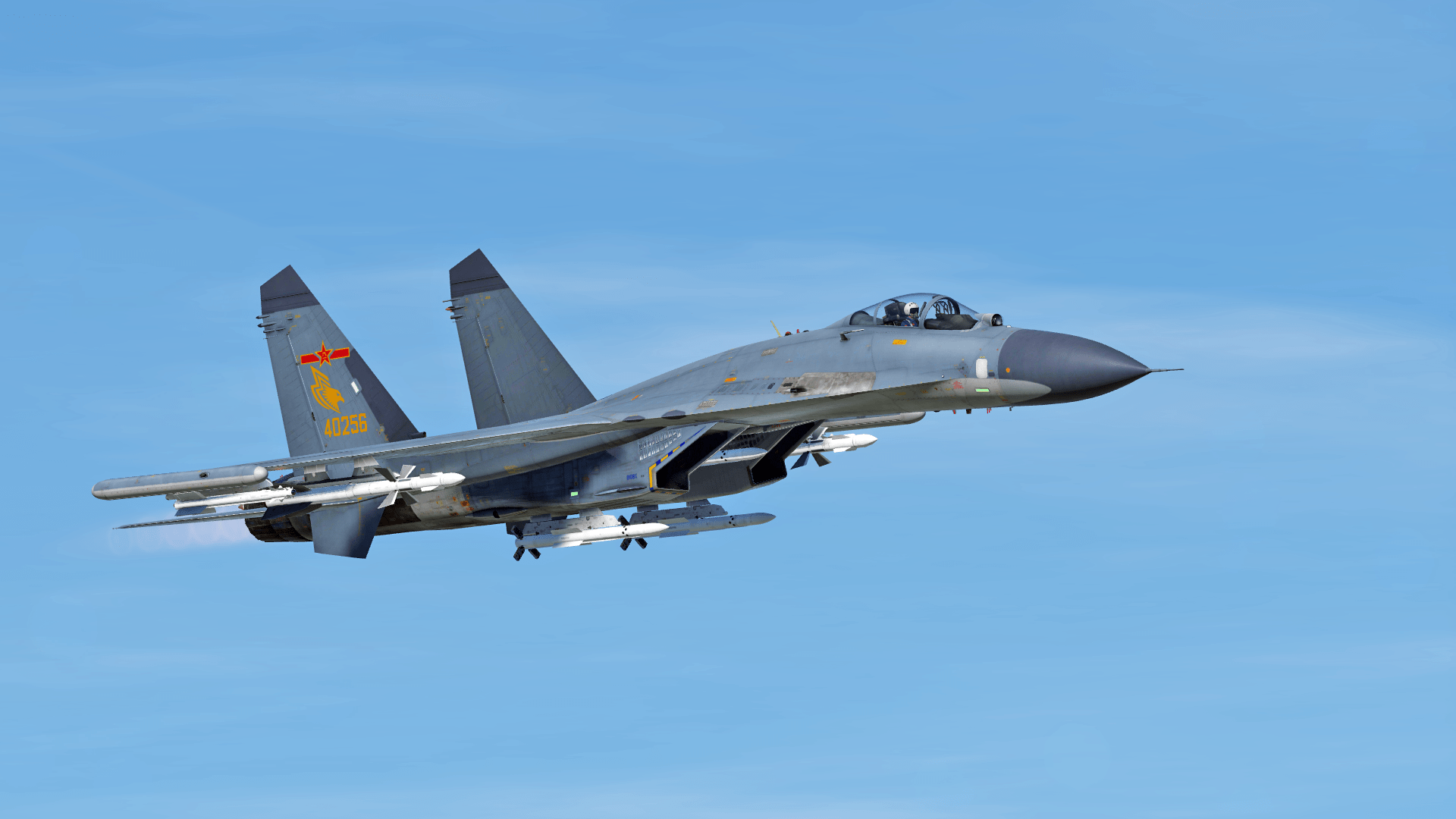
Role
Chinese Flanker variant. – See SU -27 for details.
BFM Strengths
- Similar to Su-27
- Slightly improved avionics
- Excellent vertical performance
BFM Weaknesses
- Same limitations as Su-27
Ideal Performance
| Category | Speed |
|---|---|
| Sustained turn | 820–900 km/h |
| Instantaneous turn | 700–780 km/h |
| Vertical entry | 900–980 km/h |
Pilot Focus
Vertical dominance & energy fighting
Minimum Loop Entry
~850–900 km/h
Pilot Focus Matrix.
| Aircraft | Priority |
|---|---|
| MiG-21 | AoA → Snapshot → Disengage |
| MiG-29 | Speed + AoA balance |
| Su-27 / J-11 | Energy → Vertical |
| Su-33 | AoA discipline |
| Su-25 | Defense only |
Vertical Performance Summary.
| Aircraft | Practical Vertical Loop Entry |
|---|---|
| MiG-21 | ~600 km/h |
| MiG-29 | ~820 km/h |
| Su-27 | ~880 km/h |
| Su-33 | ~850 km/h |
| Su-25 | ~680 km/h |
Below these speeds, expect apex sag, nose fall-through, or energy trap.
What’s the Difference in BFM Combat Eat Vs West?
Western and Eastern (Soviet/Russian-designed) fighter aircraft are built around very different combat philosophies, and those philosophies directly dictate how they should be flown especially in BFM.
Western aircraft (US/NATO design lineage) are generally optimized for sustained performance, pilot workload reduction, and energy efficiency. They favour relaxed static stability, advanced flight control laws, and aerodynamics tuned to maintain high turn rates over time rather than brief peak maneuvers.
As a result, Western jets reward discipline and patience: pilots fly them best by managing speed first, holding the aircraft in a narrow “sweet spot” where sustained G and turn rate are maximized, and avoiding excessive angle of attack that creates drag.
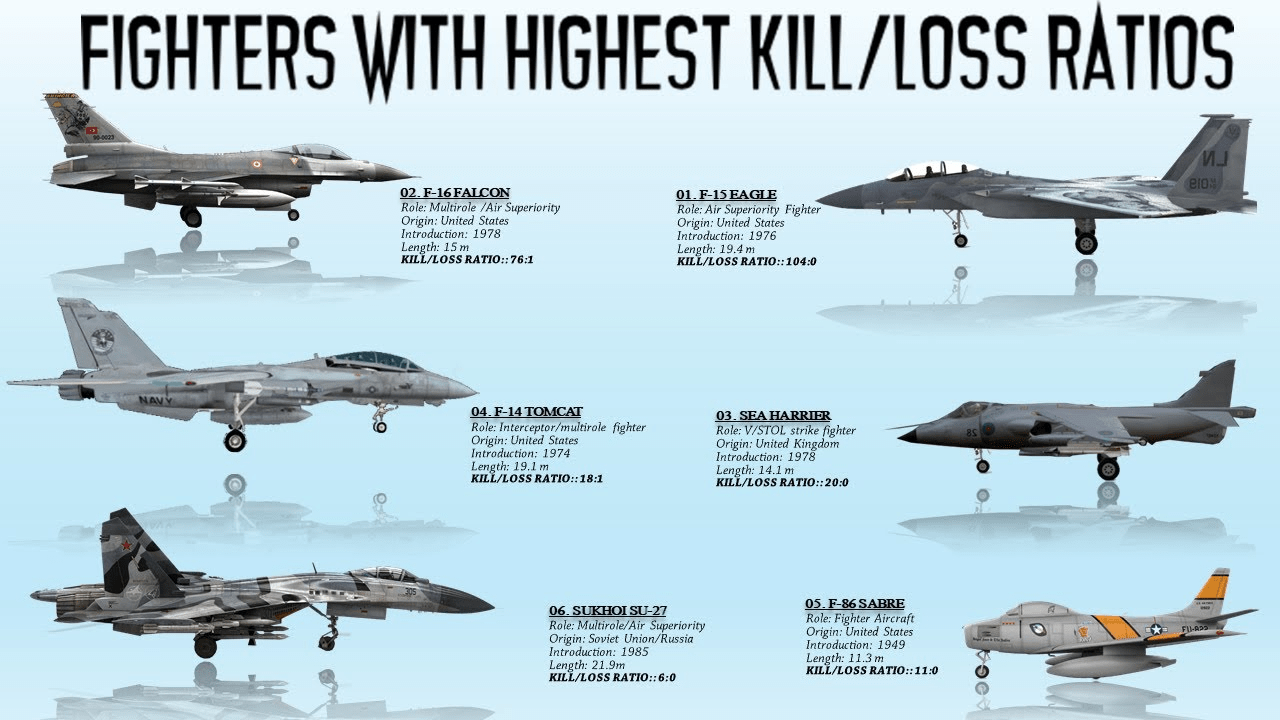
Western fighters excel in two-circle fights, where maintaining energy and out-rating the opponent over time produces positional advantage. The aircraft are designed to protect the pilot from overstressing the jet, allowing consistent, repeatable performance.
Eastern aircraft, by contrast, are typically optimized for short-duration lethality, rapid energy conversion, and aggressive maneuvering. Their designs tolerate higher angles of attack, emphasize powerful engines, and accept higher drag as the price of extreme nose authority and vertical performance.
These jets are meant to be flown assertively, using bursts of G and AoA to seize angles early, force overshoots, or transition rapidly into the vertical. Eastern fighters punish pilots who try to fly them “smoothly” like Western jets; instead, they reward decisive inputs, rapid unloads, and vertical repositioning.
They shine in one-circle fights and vertical engagements, where quick snapshots and energy exchanges decide the fight quickly rather than prolonged rate contests.
In short: Western jets win by efficiency and endurance; Eastern jets win by violence of maneuver. The pilot who flies each aircraft according to its design philosophy not its opponent’s will almost always hold the advantage.
Western Jet Fly the Computer to its limit – Eastern Jets make aggressive manoeuvres to win the engagement!
Final Thoughts.
Red Force jets in DCS World reward aggression with discipline. You are not here to rate-fight you are here to:
- Strike early
- Convert speed into angles
- Use vertical space
- End fights quickly
Master these aircraft, and you will dominate any BFM environment regardless of opponent if flown correctly.
Author
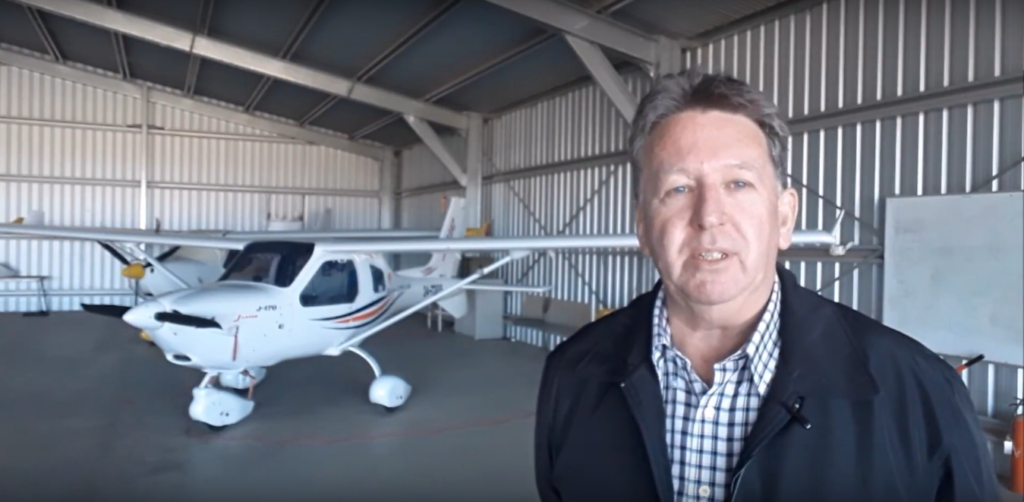
Brendon McAliece (Aka Gunnie) is a military veteran with 23 years working on Jet Fighters, their weapons systems and ejection seat/module systems as well as munitions and R&D. Involved with flight simulation since the 1980s, he has flown all the major flight simulators over the years.
He is an Australian expat who has lived in Malaysia, UK, Saudi Arabia and more recently Thailand. He is a multi-lingual blogger who loves to share his life experiences here on LetsFlyVFR.com and DreamingGuitar.com, with his lifestyle and Travel experiences Blog plus his Dreaming Coffee website.